Some charities have stopped sending direct mail, almost entirely.
It’s a decision often made when comparing the cost of mail to digital. Postage costs have soared in recent years, so cutting back on mail gives you big savings.
If that’s your organization, or you think you’re heading that way, here’s some interesting data for you to consider.
Before I tell you what’s in it, I want to be transparent about the conclusions we can draw from it.
The Lob 2025 State of Direct Mail: Consumer Insights Edition, is a study that surveyed 2,000 US adults, across ages and income levels. It was self-reported, so they didn’t track what these people actually did. The respondents told researchers what they think, and what they remember doing.
That distinction matters, a lot.
Some of what’s in the study is about behavior.
- 84% of people said they read direct mail the same day it shows up, up from 70% last year.
- 81% said a piece of mail made them more likely to re-engage with a brand.
Interesting numbers. But what people say they’ll do and what they actually do, can be two very different things. So put those numbers aside.
But there are other findings in this data that are much more interesting. How people value mail.
The thing about values is that a survey is one of the only ways to measure them. You can’t pull “did this feel trustworthy” out of a mailing database. So when people tell you how mail makes them feel, you can pay attention.
- 86% of respondents said they genuinely like getting mail.
- 53% said it feels more special or valuable than a digital message.
- 49% said a brand that sends mail feels more credible than one that doesn’t.
- 44% said mail feels more authentic than email.
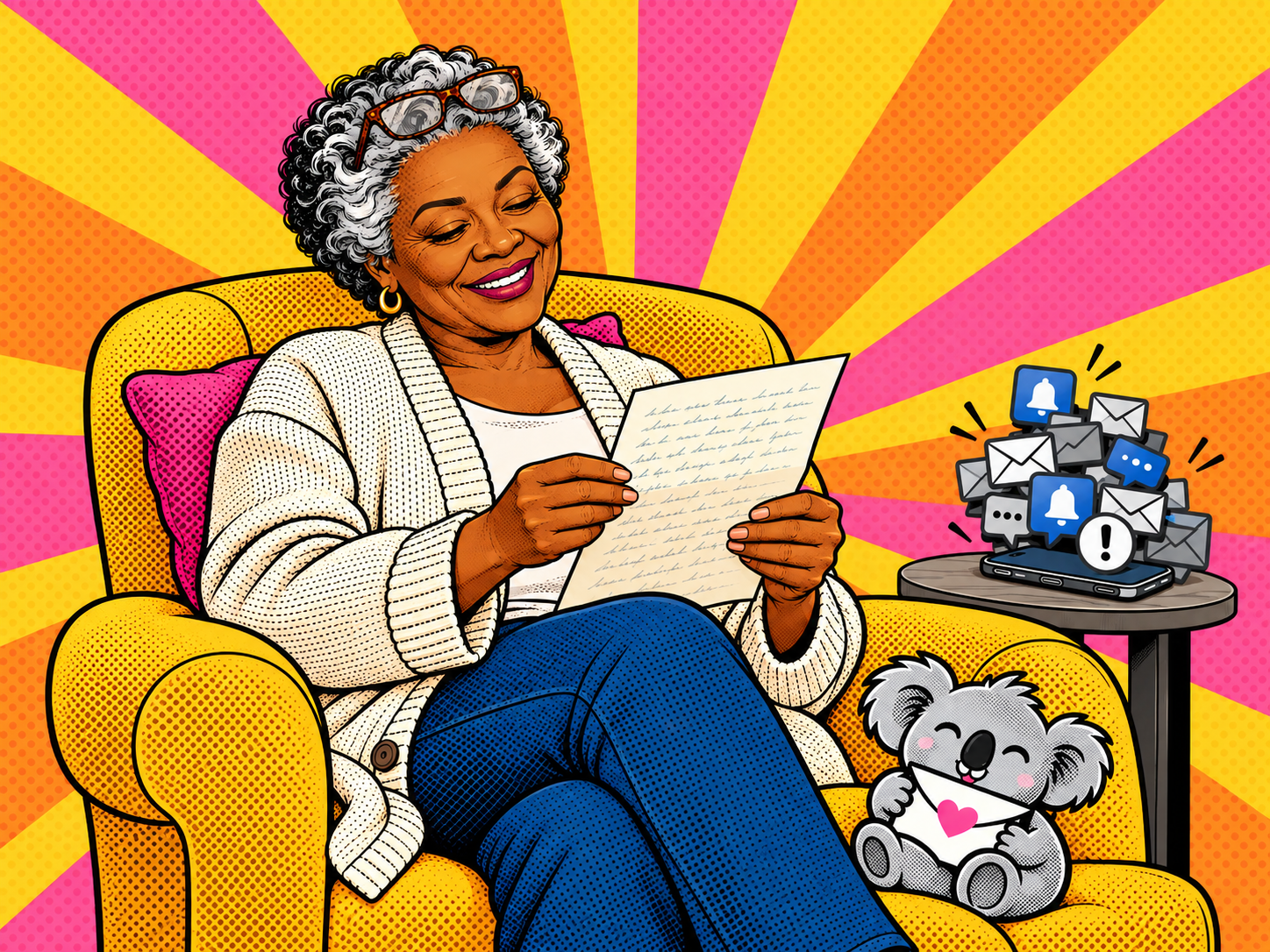
One Baby Boomer (your key donor demographic) said: getting something in the mail “makes you feel you matter.” Another said she likes having something she can hold and read in her own time, instead of something ‘demanding a response the second it shows up on a screen’.
This isn’t a quirk of one age group. It’s a reaction to digital fatigue that was seen in the data across generations. 58% of the same respondents said they feel overwhelmed by digital brand messages. Mail doesn’t have that problem. At least not yet.
None of this means any old mail works. Irrelevance is still the number one reason someone will throw piece away. But get the timing, the offer, and the tone right, and you will see results.
Relevant mail still earns attention almost nothing else can buy.
This is important because trust and perceived value play a part in a donor turning their first gift into an upgraded gift, and eventually into a bequest.
This lines up with two other things worth knowing.
- Donors acquired through direct mail, have a higher lifetime value than most other channels.
- Email keeps getting harder to deliver as AI and spam filtering on inboxes get more aggressive.
Put all three together and the case against cutting direct mail gets a lot harder to ignore.
If your organization has already cut direct mail, or you’re thinking about it, spend some time considering this data. It shows that people still value what turns up in their mailbox.
And, even more importantly, direct mail drives your biggest income stream: bequests.
Maybe it’s time to take another look.
Want your next pack to actually earn that trust? Grab our free checklist, What Makes a Great Direct Mail Pack. It’s a practical rundown of everything that belongs in a pack before it goes in the mail.
Related Blog Posts:
- The New Realities of Direct Mail Fundraising (2026)
- How to Get Your Fundraising Emails Delivered (2026)
- Why AI Is Making Direct Mail Fundraising More Important (2026)
- Design Tips for Direct Mail Fundraising (2025)